
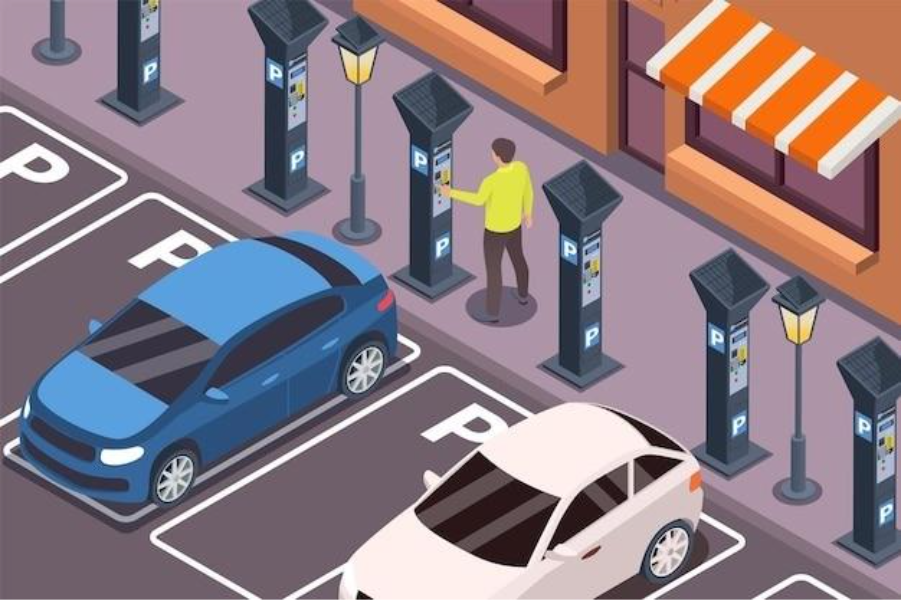
Searching for parking in a busy area is already a headache. After 10 minutes of driving in circles, nothing makes the situation worse like being met by a meter that only takes coins. It’s 2025, right? Well, some parking systems are still stuck with the old systems. The thing is that parking here is a real hassle. You look for a spot, dig for loose change, wait in line behind, and sometimes, your receipt gets blown away. It’s more trouble than it’s worth.
But things are finally changing. Technology is quietly taking over, making the process seamless. Thanks to parking payment solutions, the once-painful process is turning into something stress-free. With a cleaner system that lets you park and pay faster, you save lots of time. And that’s why 82% of consumers prefer contactless payments.
Let’s look at how these smart systems are rewriting the rules of parking—and why:
1. Faster and Easier Payments
No one has time to stand in front of a machine punching buttons. You could be using your time for something better, no matter how small it seems. Modern parking payment solutions fix that. Now all you need to do is just tap your phone, wave a card, or scan a QR code, and you’re done.
The system charges you automatically, so you don’t have to waste your time waiting in line, and you don’t have to fumble for receipts either. That slight tweak allows drivers to move in, park, and out up to ten times faster. It’s smoother, and that means less congestion for everyone, and eases the management’s work as well.
If there’s one thing customers appreciate, it’s convenience. In fact, most people come back to places that don’t waste their time.
2. Lower Operating Costs Through Automation
Nowadays, you hardly see parking garages with attendants manually handing out tickets. Smart systems have taken over and proved that machines can do better and considerably cheaper. Digital automation can handle almost everything from payment processing, ticketing, and even dispute management—with minimal need for human input. That alone can cut operating costs by 20–30%.
Additionally, it eliminates the need for cash counting, buying paper tickets to print, and the maintenance nightmare from old pay stations.
Plus, automation doesn’t “forget” to log a payment and rarely makes changes incorrectly. Every transaction is recorded correctly and every cent accounted for. That cuts down losses from human errors.
For businesses, this tech could mean the difference between struggling to keep up and running lean with an efficient system that cuts expenses and maximizes ROI.

3. Enhanced Security
Handling cash can be risky. Theft, fraud, and vandalism are all real threats. In fact, nearly half of parking-related thefts have something to do with cash handling.
Contactless payments flip that script. When you pay digitally, there’s nothing to steal on site. And the transaction is encrypted, tokenized, and secured, so your payment data and privacy are intact.
And touch-free payments are more hygienic too. After what the world’s been through lately, nobody wants to press the same buttons 50 strangers just did. With modern parking payment solutions, just tap your card or phone and move on. It’s safer, cleaner, and smarter.
4. Real-Time Data for Smarter Management
Businesses with traditional parking systems are often left guessing. You depend on end-of-day reports or someone manually counting cars. With smart systems, you get live data about occupancy rates, peak hours, and revenue trends in real time.
That kind of visibility changes everything. You can make faster decisions, like adjusting prices based on current demand, and even forecasting. Using data analytics can drive your revenue up by up to 20%.
And it’s a win-win, as drivers enjoy parking without hassle, someone’s in the back office using numbers to make sure their process is seamless.
5. Enhanced Customer Experience Through Integration
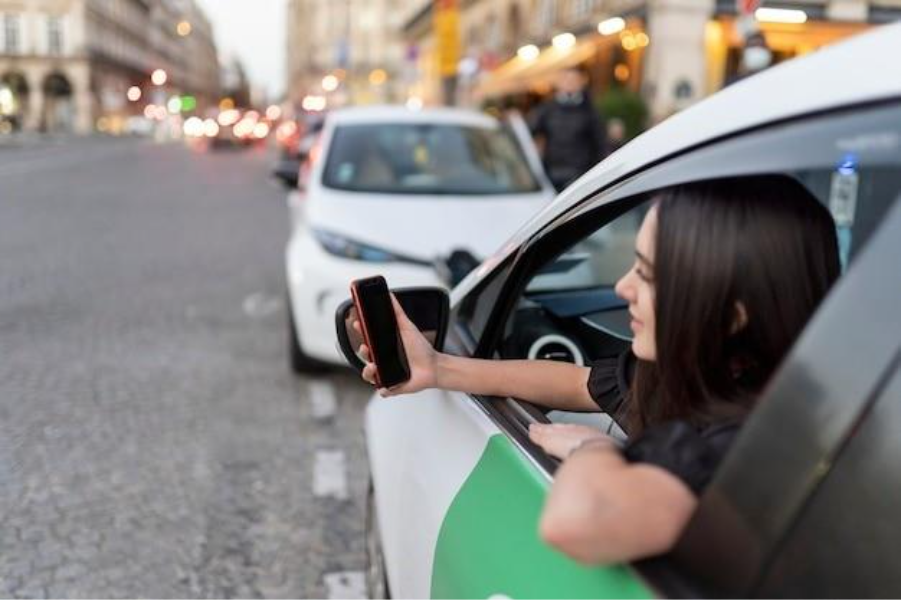
You’ve probably noticed that you hardly notice or think about the best tech—it just works. That’s the philosophy behind smart parking systems. They are designed to work with other crucial apps like maps for navigation, loyalty programs, and even unique infrastructure.
When you pull into a garage, your license plate is scanned automatically. Payment is deducted from your preferred payment method, and your loyalty points are updated immediately—all without you lifting a finger. Some even allow you to reserve a spot ahead of time or get a reminder before your parking expires.
One thing about convenience is loyalty. Once you’ve parked stress-free, going back to the old “coin slot and ticket” system feels like a punishment.
6. Building Loyalty and Repeat Visits
Here’s something about parking that people rarely think about: smart parking solutions can actually build relationships. Yes, really. With digital systems, the experience is much better. Operators can reward you for coming back—discounts, free hours, or special offers.
Most customers will always come back when they are rewarded for choosing a particular facility. And with systems integration, there’s a data trail that businesses can use to tailor promotions to drivers’ habits, such as offering weekend discounts if they notice you park downtown every Friday. With that, technology is turning transactions that earlier seemed ordinary into a long-term relationship.

7. Seamless Integration and Scalability
If you’re running a parking operation, flexibility isn’t a luxury—you need it to survive. You can’t afford to rebuild your entire system every time new tech rolls out. It’s not just expensive, but inconvenient and a waste of time. That’s why modern parking platforms are designed to integrate smoothly, not replace.
They connect with different CRM tools, analytics dashboards, EV charging systems—you name it. All that happens courtesy of open APIs that make it easy to plug into whatever comes next. So, whether you’re managing one lot or a hundred, you can expand effortlessly.
Business can evolve without the chaos. And with access to critical data, even cities move toward smarter, greener mobility networks. It allows easier scaling, and that’s why parking systems that adapt easily lead the pack while those clinging to coin slots and paper tickets are left behind.
Conclusion
Before parking payment solutions went mainstream, parking used to be the least enjoyable part of driving. That’s no longer the case; through automation, data-driven insights, and contactless payments, parking payment solutions are changing how cities move. For drivers, it saves time and hassle, making their lives easier, and for businesses, it cuts operating costs, which means more profits, and it’s safer for everyone.
The beauty of it all? It’s not just about faster payments—it’s about reliability. When payments, management, and reliability all live in one system, users enjoy a simple transaction that turns into a smooth experience. That’s why picking the right provider matters. Always go for leading innovators who are not really selling just a way to pay, but a smarter way to move.

Other Articles