

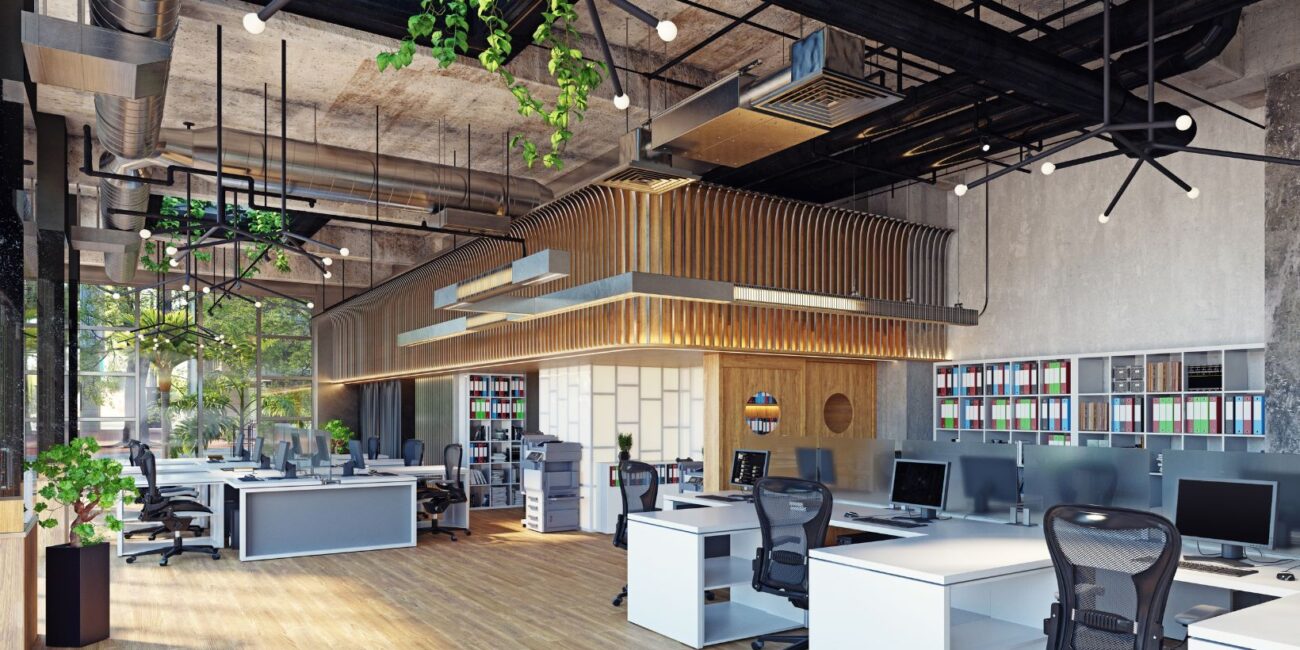
Effective space planning directly influences how employees move, interact, and complete tasks throughout the workday. Thoughtful layouts reduce friction, minimize distractions, and allow teams to focus on meaningful work. Companies that invest in strategic planning create environments that support workflow efficiency, encourage collaboration, and improve overall performance. Every detail, from circulation patterns to equipment placement, contributes to a more productive and satisfying workplace.
The Role Of Space Planning In Modern Workplaces
Poorly planned spaces create bottlenecks, reduce efficiency, and contribute to employee frustration. When employees navigate cluttered or illogical layouts, time is lost, and focus is disrupted. Strategic planning eliminates these issues by aligning physical space with operational requirements. Clear pathways, logical sequences, and appropriately located work areas allow teams to complete tasks with minimal interruptions.
Beyond daily efficiency, smart space planning supports long-term growth. Companies that anticipate expansion and design flexible layouts avoid costly renovations in the future. Scalable solutions ensure that spaces continue to meet evolving operational needs, preserving both productivity and employee satisfaction.
Key Elements Of Smart Space Planning
Efficient circulation is a foundational element of productive environments. Pathways must be intuitive and uncluttered to support smooth movement across the workspace. This prevents congestion, reduces accidents, and ensures that employees can reach resources quickly and efficiently.
Strategic placement of equipment and shared resources is equally important. Items and facilities should be positioned where they are most accessible, reducing wasted time and unnecessary steps. Ergonomic considerations, including workstation height, seating, and reach distances, contribute to comfort and prevent strain.
Safety and accessibility remain central to effective planning. Inclusive layouts accommodate all employees, supporting equity while maintaining operational consistency. Well-designed spaces combine function, comfort, and safety, creating a reliable environment that promotes productivity.
How Well-Planned Spaces Improve Employee Productivity
Thoughtful layouts reduce the time employees spend navigating their environment. When equipment, resources, and workstations are positioned logically, employees can complete tasks with minimal delays. Unnecessary walking, repeated adjustments, and interruptions are minimized, allowing employees to focus on core responsibilities.
Environmental friction, such as poorly arranged shared spaces, contributes to stress and fatigue. Smart planning ensures that workflows remain smooth, reducing cognitive load and supporting consistent performance. Durable materials and reliable design elements further decrease disruptions, allowing employees to work uninterrupted.
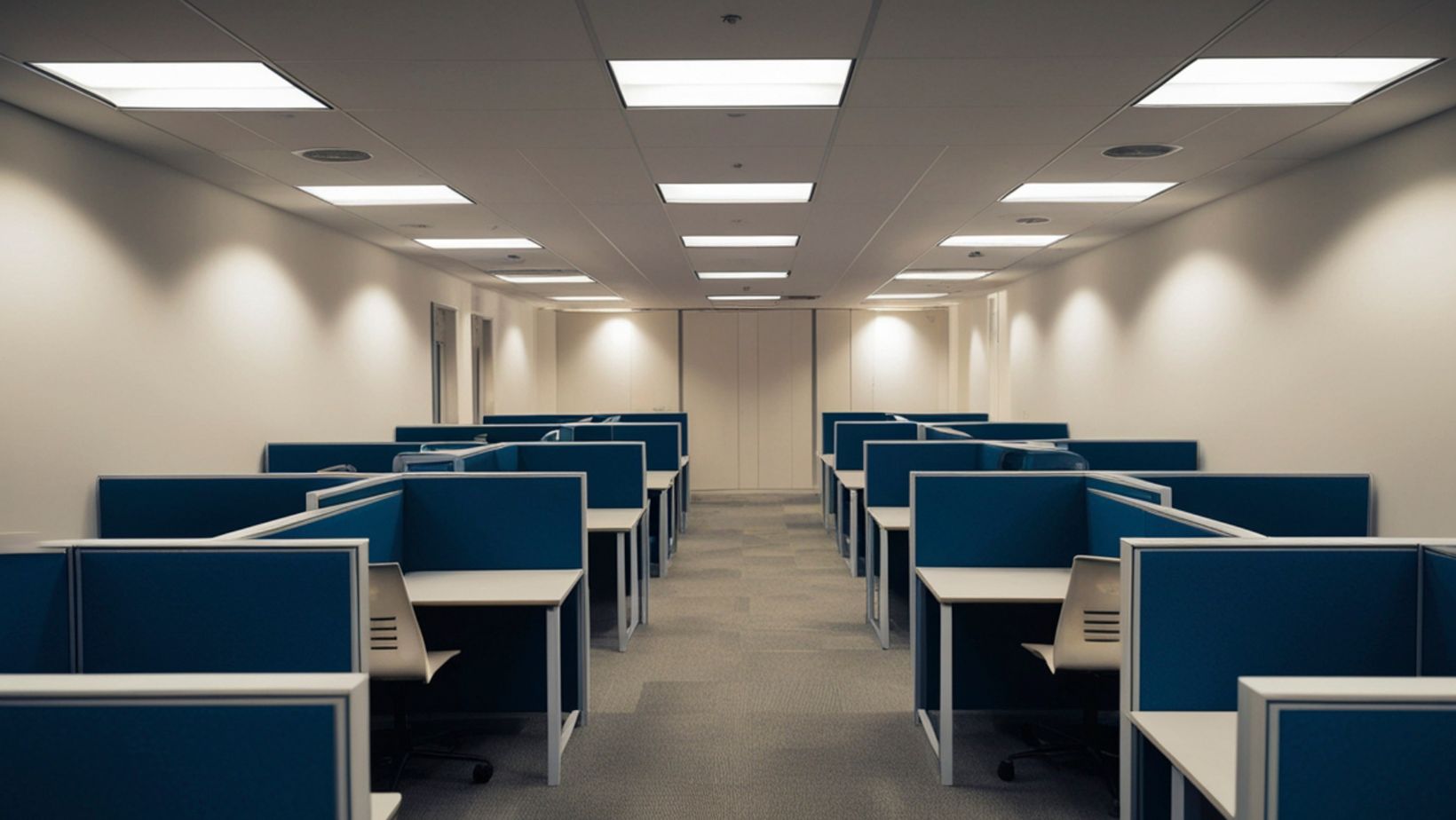
Specific design choices also influence efficiency. For instance, strategically installed urinal partition solutions in facilities enhance both privacy and workflow. Improvements in smaller spaces contribute to overall operational efficiency, showing that attention to detail matters at every level.
Supporting Collaboration Through Smart Layouts
Contemporary office design must cater to both collaborative and individual work styles. Productive workplaces feature open areas that facilitate discussion, idea exchange, and joint problem-solving, alongside private zones that allow for focused concentration without interruption.
This balanced approach to spatial planning is key to improving employee engagement and minimizing stress. By offering flexibility, employees can seamlessly transition between collaborative teamwork and independent focus, which supports various working methods and sustains productivity throughout the day.
The Financial And Operational Benefits Of Space Planning
Well-organized spaces provide tangible cost benefits. Reduced maintenance, fewer interruptions, and optimized workflow result in lower operational expenses. Companies gain more value from their existing square footage when spaces are used efficiently.
Investments in smart design also yield financial advantages through structured asset management. Strategic planning of layouts, equipment, and materials allows businesses to leverage capital allowances, maximizing returns on facility improvements while ensuring compliance with tax and accounting standards. Thoughtful planning connects operational efficiency with measurable financial benefits, reinforcing the value of strategic design decisions.
Technology And Infrastructure Considerations
Modern productivity hinges on the seamless integration of technology and infrastructure. It is critical that these systems are incorporated in a way that preserves both circulation and comfort within the space. To ensure efficient workflows, reliable connectivity, robust power distribution, and readily available data access are essential.
By employing data-driven tools to monitor space utilization, companies gain the insights necessary to adjust layouts and allocate resources with precision. Analyzing traffic patterns and usage data informs future upgrade decisions, guaranteeing that improvements boost both comfort and efficiency. This integration of smart infrastructure maintains the space’s adaptability while continually supporting performance optimization.
Planning For Growth And Adaptability
Spaces designed for scalability support evolving business needs. Flexible layouts accommodate team expansion, equipment upgrades, and operational changes without requiring extensive renovations. Adaptable environments maintain productivity during transitions, ensuring that employees continue to work efficiently.
Long-term planning also reduces disruption. Scalable designs prevent costly downtime and interruptions caused by sudden adjustments. By anticipating growth, companies create environments that continue to support performance while minimizing operational risk.
Steps Companies Take To Implement Smart Space Planning
Effective space planning starts with a thorough assessment. Organizations should analyze traffic flow, resource utilization, employee feedback, and operational needs to pinpoint areas for enhancement. Prioritizing high-impact improvements ensures that modifications deliver substantial advantages.
The implementation phase requires close coordination with planners, suppliers, and contractors to ensure alignment with overarching, long-term goals. Selections for layouts, materials, and fixtures must emphasize durability, practicality, and future scalability. Furthermore, attention to ergonomics, accessibility, and safety is crucial for boosting both comfort and overall performance.
Sustaining productivity necessitates the regular review and maintenance of these spaces. Continuous monitoring ensures the environment consistently meets operational requirements and can readily adapt to new challenges, thereby supporting enduring efficiency and high employee satisfaction.
Conclusion
Smart space planning directly influences workplace productivity by reducing friction, supporting collaboration, and creating comfortable, reliable environments. Thoughtful layouts, durable materials, and scalable designs ensure that employees can focus on meaningful tasks while organizations optimize operations. Strategic investments in planning and design produce measurable operational, financial, and employee benefits, positioning companies for sustainable growth and stronger performance.

Other Articles

Ways To Make Work Easier For Your Team Without Cutting Corners