

First-time filers…
The IRS is expecting to receive more than 140 million individual tax returns this year. The problem? Most new filers have no idea what they’re doing.
Don’t worry!
Filing your first tax return doesn’t have to be difficult. If you know the basics and avoid common mistakes, filing as a first-timer can be smooth sailing.
The majority of errors are 100% avoidable with a little preparation.
Here’s what we’ll cover:
- What First-Time Filers Need To Know
- Common Filing Mistakes To Avoid
- Documents First-Time Filers Will Need
- Choosing Your Filing Method
- Tax Credits & Deductions
What First-Time Filers Need To Know
Tax filing can be intimidating the first time around.
But once you know the basics, the whole process becomes simple. Think of tax filing as reporting to the IRS how much money you made last year.
Here’s how it works:
Employers withhold taxes throughout the year from paychecks. A tax return is then filed to calculate how much tax was actually owed. If too much tax was withheld, a refund is given back.
The 2024 tax deadline is April 15, 2025. Late filing results in penalties.
First-time filers with foreign tax credits or international income will need to know the IRS limitation formula. This formula calculates the amount of foreign tax credit allowed to be taken.
Pretty simple, right?
Common Filing Mistakes To Avoid
Did you know something crazy?
IRS data shows that 2.7 million returns contained math errors in 2024 alone. That’s a lot of unnecessary delays.
Here are the most common mistakes first-time filers make:
Missing Or Incorrect Social Security Numbers
#1 reason the IRS rejects tax returns.
Every SSN must match the number exactly as it’s written on the Social Security card. Missing a single digit will lead to a return rejection.
Triple-check these numbers before filing.
Wrong Filing Status
Tax filing status determines tax rates and deduction eligibility.
There are five filing statuses:
- Single
- Married Filing Jointly
- Married Filing Separately
- Head of Household
- Qualifying Widow(er)
Most first-time filers will file as “Single” status. Changes in life circumstances such as marriage or a baby will affect filing status.
Calculating Errors
Basic addition and subtraction errors. Seriously?
These errors are surprisingly common. The IRS computers automatically catch them and issue notices.
The fix?
Use tax software. Computers do the math. They also point out errors before it’s too late.
Forget To Report Income
Earned money is earned income. Simple as that.
Earned income includes side hustles, freelance work, and even that little internet business. Most first-time filers forget to include income from sources that didn’t send a 1099.
But here’s the deal…
The IRS mandates all taxable income is reported, even if there’s no official record. Forgetting to report income will raise red flags and lead to an audit.
Not Claiming Tax Credits You’re Entitled To
Tax credits reduce the amount of tax you owe — or increase your refund.
Valuable credits first-time filers often leave on the table include:
- Earned Income Tax Credit (EITC)
- American Opportunity Tax Credit (education credit)
- Child Tax Credit (up to $2,000 per child)
Tax preparation software can automatically identify credits for which you’re eligible.
Documents First-Time Filers Will Need
Don’t file early. Just because you’re ready doesn’t mean everyone else is.
Wait for tax documents to arrive before filing. Most tax forms have a January 31st due date but some aren’t received until mid-February.
Here’s what to look for:
W-2 Forms
This document reports wages earned and taxes withheld by employers.
Every employer who paid $600 or more during the year must send a W-2 form.
1099 Forms
1099s report income from independent contractors and freelancers.
This form also reports interest earned in bank accounts, as well as investment dividends. In 2024, 1099-Ks should have been received by anyone who received more than $5,000 through payment apps.
Student Loan Interest Statement (1098-E)
Paid student loan interest last year? The 1098-E form is where to look.
1098-E shows how much interest was paid on student loans. Student loan interest may be tax deductible.
Previous Year’s Tax Return
Having last year’s return on hand makes tax prep much easier.
Last year’s return provides the Adjusted Gross Income (AGI) used by the IRS to verify identity.
Choosing Your Filing Method
The average American spends $270 and 13 hours to file their taxes.
Saving time and money is easy for first-time filers with the right method.
Free File Options
Have an income below a certain level? Free filing is an option.
IRS Free File is a free tax preparation software program. In 2025, over 30 million tax payers in 24 states qualify for Free File Direct.
Tax Software
Tax preparation software is the most popular method for a reason.
Guides filers through each step, automatically does the math, and flags errors. Popular options include TurboTax, H&R Block, and TaxAct.
Professional Tax Preparer
Hiring a professional can be a good option.
CPAs and enrolled agents can assist with complex tax situations. They’re especially helpful for first-time filers with multiple income streams or business income.
Tax Credits & Deductions
This is where tax savings happens.
Tax credits and tax deductions both reduce tax bills, but in different ways. Knowing the difference can save first-time filers hundreds of dollars.
Credits Vs. Deductions
Tax credits directly reduce the amount of tax owed, dollar for dollar.
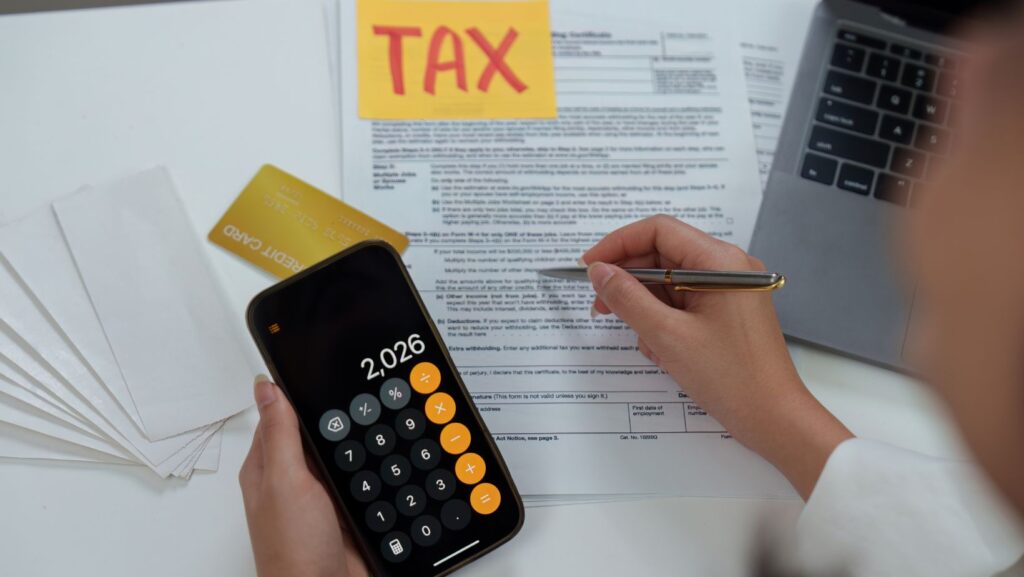
A $1,000 tax credit means $1,000 less tax is due. Some credits are refundable, meaning they can increase refunds even if no tax is owed.
Tax deductions reduce the amount of income that is taxed.
For most first-time filers, claiming the standard deduction is the way to go. For 2024, the standard deduction is $14,600 for single filers.
Itemized Deductions Vs. Standard Deduction
Probable not for first-time filers.
Itemizing is only beneficial when deductions total more than the standard deduction.
Tips For A Smooth Filing Experience
Time to file that first return?
Here are some final tips:
File returns electronically instead of mailing paper. E-filing is faster and the IRS processes electronic returns quicker.
Direct deposit refunds. Double check those bank account numbers.
Save copies of everything. Tax returns and documents should be kept for at least three years.
Don’t worry about audits. First-time filers have a very low chance of being audited.
Wrapping Up
Filing taxes for the first time doesn’t have to be stressful.
The key is being prepared. Gather documents, pick a filing method, and don’t make common mistakes:
- Double-check Social Security numbers
- Report all earned income
- Let the tax software do the math
- Claim all eligible credits and deductions
- File electronically and choose direct deposit
Filing a first tax return lays the groundwork for future years. Start early, stay organized, and ask for help if needed.

Other Articles

Creating an EEOC-Compliant Workplace: Safest Practices for Companies