Restaurant technology has evolved significantly over the past decade. What once relied on bulky servers stored in back offices is now powered by cloud infrastructure that connects locations, teams, and data in real time.
For modern restaurants, this shift is not just about convenience. It reflects a broader need for flexibility, speed, and operational visibility.
As restaurants grow more complex, balancing dine-in, online ordering, delivery, and drive-thru channels, traditional systems often struggle to keep up.
Cloud-based platforms are becoming the preferred standard because they are built to handle these demands more efficiently.
The Shift Away From Legacy Systems
Traditional POS systems were designed for a different era. They often required on-site servers, manual updates, and limited remote access. While they served their purpose at the time, they lack the agility that modern restaurants now require.
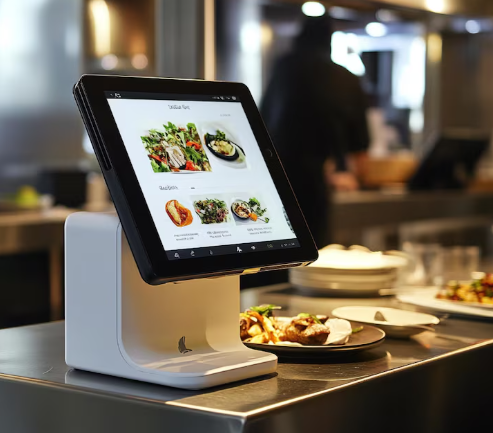
Cloud platforms eliminate much of that friction. A cloud based pos operates on remote servers and allows operators to access reporting, menu management, and performance insights from virtually anywhere. Updates can be deployed centrally, and data syncs automatically across devices and locations.
For restaurant owners and multi-unit operators, this flexibility simplifies operations while reducing the burden of hardware maintenance.
Real-Time Data For Smarter Decisions
Modern restaurants depend on real-time information. Sales trends, labor performance, and inventory usage all influence daily decisions. Cloud POS systems provide immediate access to this data through centralized dashboards.
Instead of waiting for end-of-day reports, operators can monitor performance as it happens. This is especially useful during promotions, seasonal menu changes, or high-traffic periods. Quick access to accurate data allows managers to adjust staffing levels, modify promotions, or respond to unexpected demand.
For multi-location brands, centralized data visibility ensures that leadership teams can oversee performance across all stores without relying on manual reporting from individual managers.
Choosing the right technology is equally important for restaurants looking to streamline their day-to-day operations. A reliable point of sale for restaurants can bring ordering, payments, menu management, and reporting into one platform, giving restaurant teams greater visibility and control as their operations grow.
Seamless Integration With Kitchen Operations
Technology does not stop at the front counter. Modern restaurants need smooth coordination between ordering and food preparation to maintain service speed and accuracy.
A cloud-based POS integrates efficiently with a kds system, allowing orders to move digitally from the register to the kitchen display. This reduces handwritten tickets, minimizes errors, and improves order timing.
Because the system is cloud-connected, updates to menu items or modifiers are reflected immediately in both the POS and the kitchen display. This ensures consistency across shifts and locations, helping maintain operational standards.
Supporting Drive-Thru And High-Volume Channels
Drive-thru service has become an essential revenue stream for many restaurants, particularly in quick-service formats. Managing this channel effectively requires integrated technology that supports speed and clear communication.
A connected drive thru headset system works alongside cloud POS to ensure orders are captured accurately and transmitted instantly to the kitchen. When communication devices and POS systems are integrated within the same ecosystem, service times improve and order errors decrease.
Cloud infrastructure also allows operators to analyze drive-thru performance metrics, such as average service time and peak-hour efficiency, across multiple locations. This insight supports operational improvements and staffing adjustments.
Scalability For Growing Brands
One of the strongest advantages of cloud POS is scalability. As restaurants open new locations, the system can be expanded without installing complex on-site servers at each store. New locations can be configured using standardized templates for menus, pricing, and reporting.
This scalability reduces deployment time and helps maintain brand consistency. For franchise operations, centralized cloud management ensures that every location operates within the same framework while still allowing limited local customization when necessary.
Improved Security And Automatic Updates
Security is a major concern for modern restaurants, especially when handling payment data and customer information. Cloud POS providers typically maintain strict security standards, including encryption and compliance protocols.
Another advantage is automatic software updates. Rather than scheduling manual updates at each location, cloud systems deploy improvements centrally. This ensures that all restaurants are running the latest version without operational disruption.
Automatic updates also reduce the risk of outdated software vulnerabilities, improving long-term system stability.
Reduced IT Complexity
Traditional POS systems often required dedicated IT support for maintenance and troubleshooting. Cloud platforms simplify this by moving much of the technical infrastructure off-site.
Restaurants benefit from fewer hardware dependencies and less server management. When issues arise, centralized support teams can often resolve them remotely. This lowers operational stress and allows restaurant teams to focus more on service rather than technical concerns.
Final Thoughts
Cloud POS is becoming the standard for modern restaurants because it aligns with how today’s operations function. Real-time data access, centralized control, seamless kitchen and drive-thru integration, scalability, and simplified maintenance all support a more efficient and adaptable business model. As restaurants continue to evolve and expand across multiple channels, cloud-based systems provide the flexibility and reliability needed to keep pace with changing demands.

Other Articles
What Is a Digital Marketing Agency?
