
Money is a fickle thing right now. You look at the charts; you see the jagged lines of the stock market. One day it’s up because of a tech breakthrough. The next day it’s down because of a central bank whisper. People get nervous. They start clutching their wallets. They look for “recession-proof” sectors. Usually, that means gold or maybe healthcare in the traditional sense. But there is a quiet giant in the room that most financial analysts used to overlook. It is the vanity play. Or, more accurately, the medical aesthetic sector.
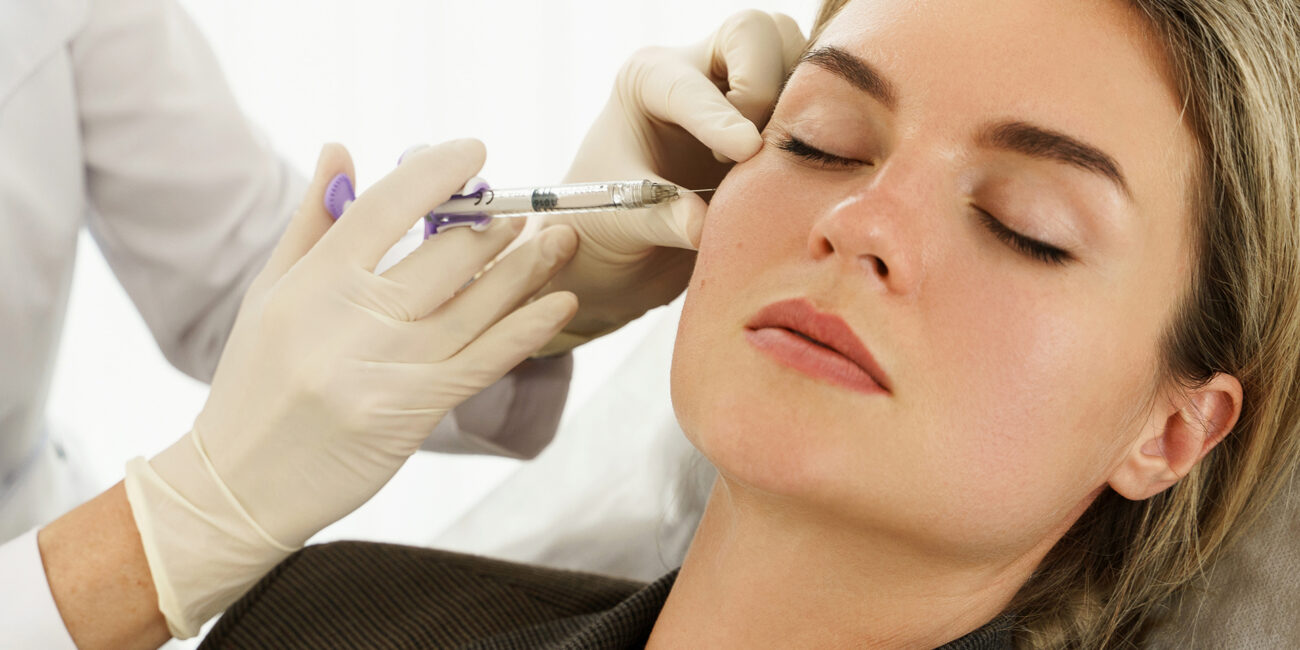
It feels counterintuitive. If people are worried about the price of gas, why are they still booking appointments for injections? You’d think luxury would be the first thing to go. But it isn’t. The data shows something else entirely. We are seeing a shift in how the average person views their face. It’s no longer a splurge. It’s a maintenance cost. Like a gym membership or a phone bill.
The Psychology of the “Lipstick Index” 2.0
Economists used to talk about the “Lipstick Index.” The idea was simple: when the economy tanks, women buy small luxuries instead of big ones. They can’t afford a Chanel bag, so they buy a Chanel lipstick. It’s a mood booster. It’s a way to feel in control when the world feels chaotic.
Today, that index has moved. It’s deeper now. We are in the era of the “Injectable Index.” A syringe of filler lasts six months to a year. A lipstick lasts a few weeks. The value proposition has changed for the consumer. They see these treatments as long-term investments in their personal brand. Especially in a digital world where your face is your first impression on a Zoom call.
Resilience in the Face of Inflation
Inflation hits everyone. It hits the clinics too. The cost of supplies goes up. Rent goes up. But the demand? It stays oddly flat or even climbs. There is a psychological barrier that has been broken. People have integrated these procedures into their identity.
- Routine over Luxury: Patients treat Botox or fillers as a non-negotiable part of their grooming.
- Preventative Mindset: The younger demographic is starting earlier. They aren’t trying to fix old age; they are trying to prevent it from showing up.
- High Switching Costs: Once a patient finds a practitioner they trust, they rarely leave. They will cut back on dining out before they skip their touch-up.
Supply Chain Dynamics and Practitioner Power
The backbone of this stability is the supply chain. Most of these products are manufactured by massive pharmaceutical conglomerates. These companies have deep pockets. They can weather a storm. But for the individual practitioner, the game is about access and reliability. They need to know that the products they use are authentic and available.
The market for these supplies has become more transparent. Doctors and nurses are looking for ways to keep their margins healthy without passing every single cost increase to the patient. They look for reliable sources to shop professional dermal fillers online so they can maintain a consistent inventory. This ability to source high-quality materials directly influences the bottom line of a clinic. If the practitioner can keep their overhead manageable, the business remains a cash-flow machine even when the broader market is shaky.
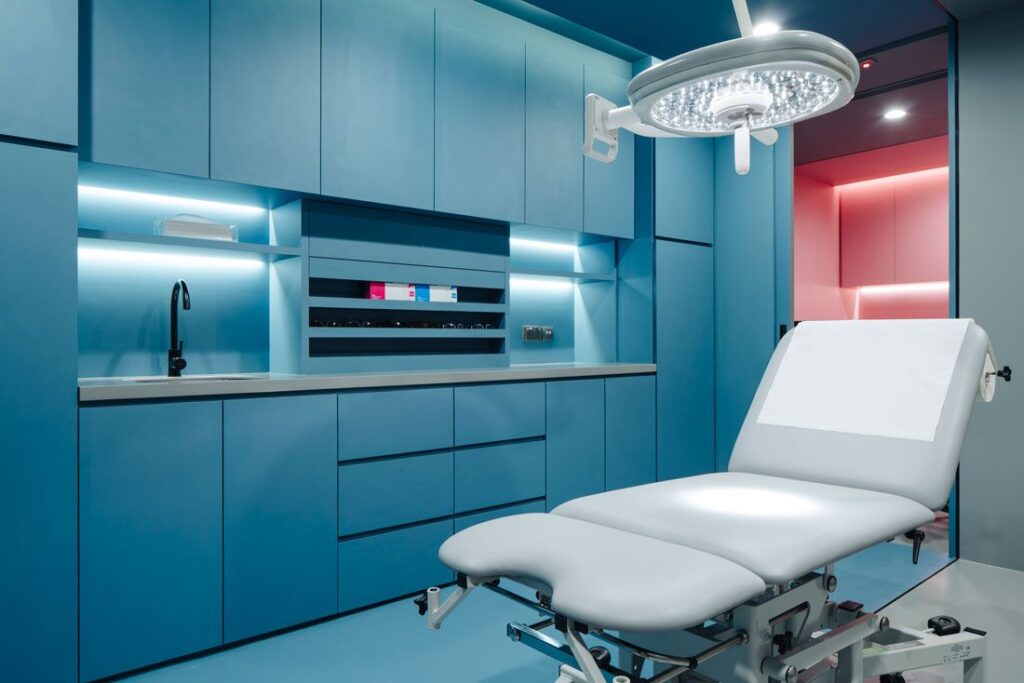
Modern clinics operate differently than they did a decade ago. They are leaner. They use digital booking. They focus on high-turnover treatments that don’t require expensive surgical suites. This agility is why the aesthetic industry doesn’t crumble when the S&P 500 takes a dip. It’s a high-margin, high-frequency business model.
The Shift from Surgical to Non-Invasive
Surgery is scary. It’s expensive. It requires downtime. In a volatile economy, people can’t afford to take two weeks off work to recover from a facelift. They also can’t justify the $20,000 price tag. This is where the non-invasive market wins.
A liquid facelift can be done during a lunch break. The cost is a fraction of the surgical alternative. The results are immediate. We are seeing a massive migration of wealth from traditional plastic surgery toward the medical spa model. This isn’t a temporary trend. It’s a fundamental change in how the industry operates.
Why Investors are Paying Attention
Private equity firms are pouring money into aesthetic chains. They like the recurring revenue. They like the fact that customers come back every four months. In a world of “one-off” purchases, the aesthetic industry looks like a subscription service.
- Predictable Revenue: Most clinics can predict their income months in advance based on re-booking rates.
- Low Regulatory Risk: Compared to other medical fields, aesthetics is mostly “private pay.” You don’t have to fight with insurance companies to get paid.
- Scalability: A successful model in one city is easily replicated in another.
The entry of big capital has professionalized the space. We see better marketing. We see better training. We see a more standardized experience for the patient. This makes the entire sector more robust against economic shocks.
The Global Influence and Cultural Stigma
The stigma is gone. That’s the real catalyst. Ten years ago, people hid their procedures. Now, they post them on social media. They tag their injectors. This cultural shift has expanded the market size by millions of people.
Men are also entering the chat. The “Brotox” phenomenon is real. Men are realizing that looking tired in a competitive job market is a liability. They are starting to spend money on their skin and their jawlines. This adds a whole new layer of stability to the industry. You have doubled your potential customer base.
Global markets are also catching up. In places like China and Brazil, the aesthetic market is growing at double-digit rates. This geographic diversity helps protect the industry. If the US economy slows down, the growth in Asia often compensates. It’s a diversified asset class in its own right.
Technical Innovations and the Future
We aren’t just talking about the same old products anymore. The science is moving fast. We have new types of biostimulators. These don’t just fill a wrinkle; they encourage the body to grow its own collagen. This is a huge selling point for the “natural” look crowd.
Technology is making these treatments safer and more effective. Ultrasound devices now allow injectors to see exactly where the vessels are under the skin. This reduces complications. Lower risk means more people are willing to try it. It’s a virtuous cycle.
The Human Element
At the end of the day, this is a relationship business. Patients trust their injectors with their faces. That trust is the ultimate hedge against market volatility. You might cancel your Netflix. You might trade in your car for a cheaper model. But you are unlikely to risk your appearance by going to a “bargain” basement clinic just to save fifty bucks.
Quality remains the gold standard. Practitioners who invest in their education and their product sourcing will always have a line out the door. The industry is built on the foundation of human vanity and the desire for confidence. Those are two of the most stable forces in human history.
The jagged lines of the stock market will continue to bounce. Interest rates will move. But people will still look in the mirror every morning. They will still see things they want to improve. As long as that remains true, the medical beauty industry will stay standing while other sectors falter. It is a unique intersection of healthcare, retail, and self-care. It’s an asset that doesn’t just sit in a bank; it walks around on the street, looking refreshed and confident.
Confidence is a currency that never devalues.