
Kitchen renovations are often among the most significant projects homeowners undertake, both financially and practically. A well-planned kitchen can improve everyday living while making a property more appealing to future buyers. However, achieving a worthwhile return does not necessarily mean spending heavily on every available upgrade.
The most effective renovations tend to focus on features that influence how the kitchen looks, feels, and functions. By directing a budget toward high-impact improvements rather than unnecessary extras, homeowners can create a space that feels more valuable without allowing renovation costs to spiral out of control.
Understand What Creates Value In A Kitchen
A successful kitchen renovation should balance visual appeal with practical improvements. Buyers may initially notice cabinetry, countertops, lighting, and appliances, but they are also likely to consider storage, layout, durability, and how easily the space can accommodate everyday routines.
This makes renovation planning an investment decision as much as a design exercise. Instead of selecting features solely because they are fashionable, homeowners can prioritize upgrades that offer lasting usefulness and broad visual appeal.
Make The Layout Work Harder
One of the highest-impact changes is often improving the kitchen layout. A beautiful kitchen can still feel disappointing when pathways are cramped, essential appliances are awkwardly positioned, or valuable floor space is poorly used.
Improving circulation and creating logical work areas can make an existing kitchen feel considerably more functional. In some homes, this may require structural changes, but in others, repositioning an island, adjusting cabinetry, or reconsidering appliance placement can deliver noticeable improvements without a complete redesign.
Treat Cabinetry As A Long-Term Investment
Cabinetry occupies a large amount of visual space, making it one of the first features people notice when entering a kitchen. Quality cabinets can also provide years of practical value through better organization, reliable hardware, and storage designed around the needs of the household.
Replacing cabinetry can be expensive, so homeowners should consider whether a full replacement is necessary. Structurally sound cabinets may benefit from new doors, refinishing, upgraded handles, or improved internal storage, allowing more of the renovation budget to be directed toward features that genuinely require replacement.
Use Statement Features Strategically
A kitchen does not need numerous dramatic elements to make an impression. One carefully selected focal point can create a sense of quality and intentional design while helping the rest of the room remain visually balanced.
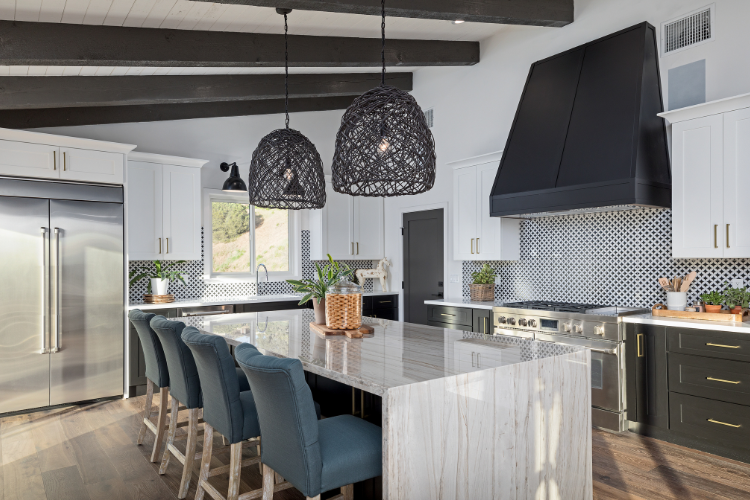
Range hoods are a good example because they combine a practical purpose with the opportunity to introduce a strong architectural feature. Homeowners exploring distinctive options can look at CopperSmith® black range hoods as an example of how a functional kitchen element can also contribute to the overall design. A prominent hood can help anchor the cooking area without requiring every other finish in the room to compete for attention.
Prioritize Durable Countertop Materials
Countertops experience constant use, so durability can have a significant effect on the long-term value of a renovation. Materials that quickly stain, chip, or become difficult to maintain may reduce the appeal of an otherwise attractive kitchen.
Homeowners should evaluate countertop materials based on maintenance requirements, expected lifespan, appearance, and cost rather than aesthetics alone. A durable surface that continues to look good after years of cooking and cleaning can provide greater practical value than an expensive option chosen primarily because it is currently fashionable.
Improve Storage Without Adding Unnecessary Space
More square footage does not automatically create a better kitchen. Efficient storage can often make an existing footprint work harder, reducing clutter and making frequently used items easier to access.
Deep drawers, pull-out shelving, pantry organizers, vertical dividers, and dedicated storage for small appliances can all improve functionality. These upgrades may be less visually dramatic than new countertops or flooring, but they can significantly influence how convenient the kitchen feels during everyday use.
Invest In Layered Lighting
Lighting is relatively easy to overlook during renovation planning, yet it affects nearly every aspect of a kitchen. Poor lighting can make an expensive renovation feel dull, while a thoughtful lighting plan can highlight materials, improve visibility, and create a more welcoming atmosphere.
A combination of ambient, task, and accent lighting usually provides greater flexibility than relying on a single central fixture. Under-cabinet lights can illuminate work surfaces, pendants can define an island, and carefully positioned ceiling fixtures can provide consistent brightness throughout the room.
Choose Appliances According To The Property
Premium appliances can be worthwhile in some renovations, but they should make sense for the property and target market. Installing extremely expensive appliances in a modest home may increase project costs without producing an equivalent increase in resale value.
The goal should be to select dependable, appropriately sized appliances that complement the kitchen design and meet expected household needs. Energy efficiency, straightforward maintenance, and useful features may ultimately matter more to many buyers than paying a premium for functions they are unlikely to use.
Avoid Overpersonalizing Permanent Features
Personal style is important when creating a home, but highly specific permanent choices can make it harder to appeal to a broad range of buyers. Unusual cabinet colors, extremely bold countertops, or unconventional layouts may suit one household perfectly while creating additional renovation work for the next owner.
A balanced approach is to keep expensive and difficult-to-replace elements relatively versatile. Personality can then be introduced through paint, seating, decorative lighting, artwork, hardware, and accessories that can be changed without another major renovation.
Pay Attention To Smaller Details
High-impact renovation decisions are not always the most expensive ones. Hardware, faucets, backsplashes, electrical outlets, switches, and trim can influence whether a completed kitchen feels polished or unfinished.
Consistency is particularly important. Coordinating finishes and selecting details that complement rather than compete with one another can make the kitchen appear more cohesive, which may create a stronger impression than simply choosing the most expensive option in every category.
Consider Energy And Operating Costs
A renovation can create financial value beyond a future sale. Energy-efficient appliances, LED lighting, efficient ventilation, and water-conscious fixtures may help reduce ongoing household expenses while modernizing the kitchen.
Homeowners should still consider the upfront cost of each efficiency upgrade against its realistic long-term savings. Improvements that combine lower operating costs with better everyday performance can be particularly valuable because they offer benefits throughout the period of ownership rather than only when the property is sold.
Keep Renovation Spending In Proportion
One of the biggest threats to renovation returns is overspending. A kitchen can be beautifully finished and still represent a poor financial decision if the project budget is far beyond what is appropriate for the home’s overall value or the expectations of the local market.
Establishing a realistic budget before selecting materials helps keep decisions grounded. Homeowners should also leave room for unexpected costs, especially in older properties where plumbing, electrical systems, flooring, or structural issues may only become visible after work begins.
Focus On Improvements With Lasting Appeal
Trends can provide useful inspiration, but renovations designed entirely around the latest look can age quickly. Features with simple lines, durable materials, practical layouts, and adaptable finishes are more likely to remain attractive as tastes change.
This does not mean every kitchen needs to look neutral or generic. Instead, homeowners can distinguish between permanent investments and easily replaceable design choices, putting more of the budget into features expected to perform well for many years.
Creating A Kitchen That Pays Off
Better renovation returns come from making deliberate choices rather than simply spending more money. A functional layout, dependable cabinetry, durable surfaces, effective lighting, practical storage, and a few carefully chosen statement features can collectively make a kitchen more enjoyable and more appealing to future buyers.
Ultimately, the strongest kitchen renovation is one that delivers value throughout the homeowner’s time in the property while also supporting its future marketability. By balancing design ambitions with durability, functionality, and sensible budgeting, homeowners can create a kitchen that feels like an upgrade today without losing sight of its long-term financial potential.