
Money used to chase the next big social media app or a faster way to deliver groceries to your door. That was the old gold rush. Now; the smart capital is moving toward something much more personal. It is moving toward time itself. Not just how we spend it, but how much of it we actually get. We are seeing a massive shift where biology meets the balance sheet. Investors have realized that fixing a broken heart or a failing metabolic system is worth a lot more than a clickable ad.
The concept of longevity has moved out of the fringes. It is no longer about billionaires in Silicon Valley trying to live forever by doing weird stuff in their basements. It has become a legitimate, data-driven sector. Venture capital is pouring into wellness technology because the market is basically everyone. If you have a body, you are a potential customer.
The Shift from Sick Care to Well Care
For decades, the medical industry operated on a “fix it when it breaks” model. You get sick; you go to the doctor; they give you a pill. That is reactive. It is also incredibly expensive and, frankly, inefficient. The new wave of tech is looking at the space before the sickness happens. This is where the venture money is placing its bets.
We are looking at tools that monitor blood glucose in real-time for people who aren’t even diabetic. We see wearable tech that tracks sleep architecture with the precision of a lab. The goal is simple: stay in the “green zone” for as long as possible. The business model here is brilliant because it creates a lifelong relationship between the user and the platform. It is not a one-time transaction; it is a continuous loop of data and optimization.
Why the Hardware Matters More Than Ever
Software is great, but software needs inputs. This is why we are seeing a resurgence in high-end medical hardware and sophisticated delivery systems. The physical tools used to measure and treat the body have to be professional grade. People are becoming much more discerning. They want the stuff that actually works; the gear that used to be hidden away in elite longevity clinics.
The demand for premium medical and aesthetic products has hit a boiling point. It is not just about looking younger in a superficial sense anymore. The lines between aesthetics and internal health have blurred. If your skin looks incredible, it is often a sign that your cellular turnover and systemic inflammation are under control. Investors are looking at companies that provide these physical solutions because they offer a tangible moat. You can’t just code a competitor to a high-frequency laser or a specialized nutrient delivery system overnight. It takes manufacturing, regulation, and a lot of R&D.
- Diagnostic Tools: Home-based blood testing and epigenetic clocks that tell you your “real” age.
- Bio-Optimizers: Devices that use light, sound, or temperature to trigger specific cellular responses.
- Data Aggregators: Platforms that take all this noise and tell you exactly what to eat for lunch to avoid a 3 PM crash.
The Democratization of the Elite Experience
There was a time when this level of care was reserved for pro athletes or the ultra-wealthy. You had to have a private doctor and a six-figure annual budget to access the latest in cellular health. Tech is changing that. It is bringing the cost down while keeping the quality high.
Venture capitalists love this because it follows the classic tech adoption curve. Start at the top; refine the tech; then scale it to the masses. We are currently in the “refine” stage. The products coming out now are sophisticated enough to actually move the needle on health markers, but they are becoming accessible enough for the high-end consumer market.
The data is the real prize. Every person wearing a high-tech ring or using a smart scale is contributing to a massive pool of biological information. This data allows companies to see patterns that traditional medicine missed. We can see how a specific supplement affects ten thousand different people in real-time. That is an incredible asset for any company looking to dominate the health space.
The Aesthetic-Health Connection
We should talk about why “looking good” is becoming a serious part of the longevity conversation. In the past, vanity was seen as separate from health. That is a dated way of thinking. Now, the way we treat the exterior is seen as a reflection of the interior.
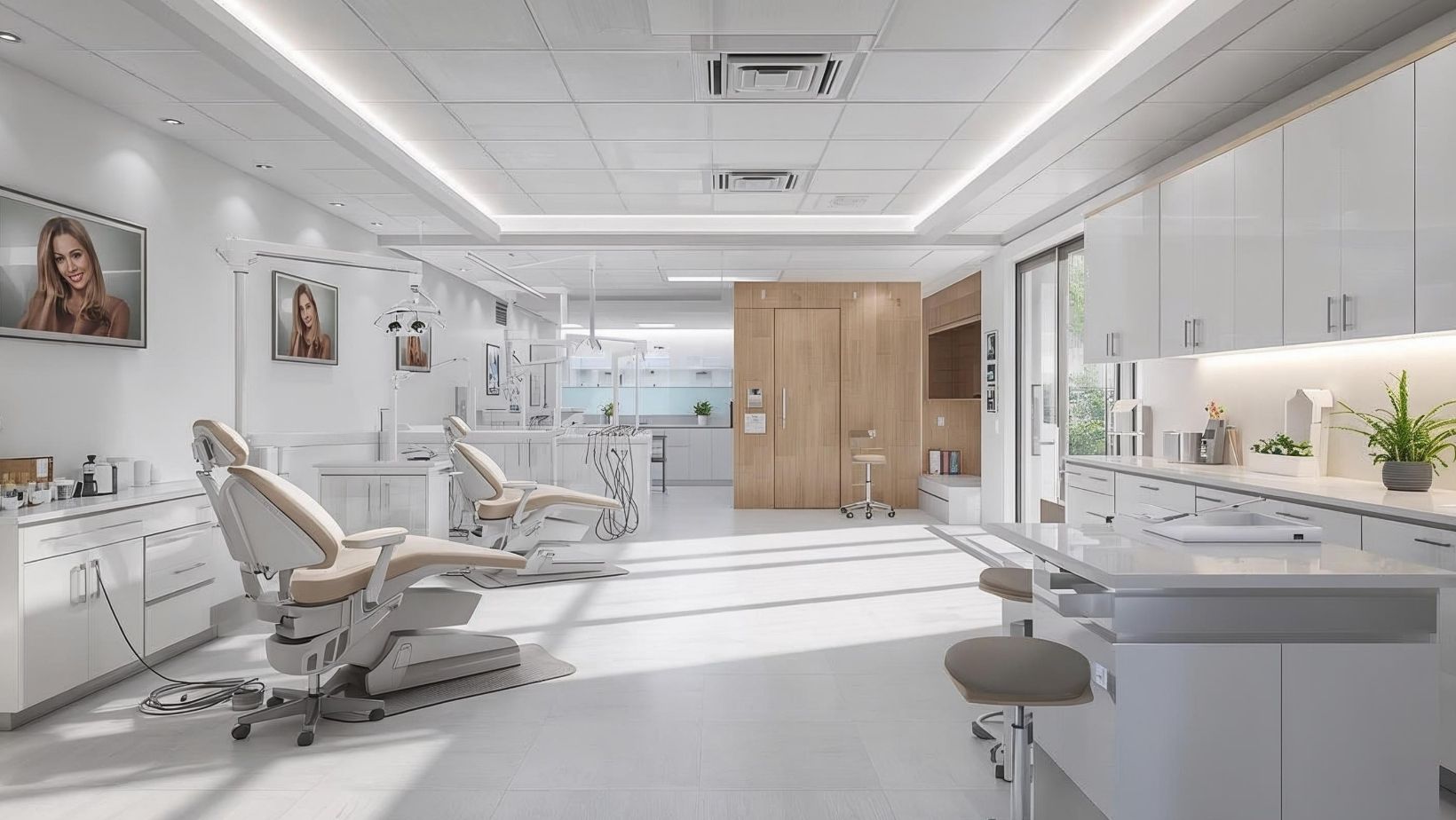
When a clinic uses high-end aesthetic technology, they are often stimulating the body’s own regenerative processes. They are forcing the skin to produce collagen or clearing out senescent cells. This is essentially “longevity you can see.” It provides the immediate gratification that humans crave. While a supplement might take six months to improve your lipid profile, a high-end aesthetic treatment shows results in weeks. This creates a powerful entry point for the broader wellness ecosystem.
Navigating the Hype vs. Reality
Not everything in this space is a winner. There is a lot of “bio-junk” out there. Devices that make big claims but offer zero clinical backing. This is where the venture capital firms are earning their keep. They have to sift through the noise to find the companies with actual intellectual property and legitimate results.
The winners in this space usually share a few traits:
- They have a “closed loop” system where they measure, intervene, and then measure again to prove it worked.
- They prioritize the user experience so people actually keep using the device.
- They bridge the gap between a medical device and a consumer lifestyle product.
It is a difficult balance to strike. If it looks too much like a medical device, people won’t use it every day. If it looks too much like a toy, the data won’t be trusted. The companies hitting that sweet spot are the ones seeing the massive valuations right now.
The Longevity Economy is Just Getting Started
We are basically at the “dial-up internet” phase of wellness technology. It feels fast and exciting, but we haven’t even seen the real transformation yet. As AI gets better at interpreting biological data, the recommendations will become scarily accurate. Your watch might tell you to skip the wine tonight because it detects a slight inflammatory spike that you can’t even feel yet.
This is why the money is flowing in. It is a fundamental shift in how humans relate to their own mortality. We are moving away from being passive observers of our aging process. We are becoming the pilots. The tools, products, and platforms that facilitate this shift are going to be the giants of the next decade.
The focus on longevity is a bet on the value of life itself. If you can give someone five more years of high-functioning health, what is that worth? To the individual, it is priceless. To an investor, it is the ultimate growth market.
Traditional healthcare is too slow to keep up with this pace of innovation. That leaves a massive opening for startups. They can move faster; take more risks; and iterate on hardware much quicker than a massive hospital conglomerate. We are seeing a decentralization of health. The power is moving into the hands of the individual, powered by the tech in their pocket and the products on their vanity.
The conversation has changed for good. We aren’t just talking about living longer; we are talking about living “better” for longer. The distinction is vital. No one wants an extra ten years if those years are spent in a hospital bed. The venture capital world is looking for the tech that ensures those extra years are spent hiking, traveling, and staying active. That is the real promise of the longevity business. It is a bold, expensive, and deeply personal frontier that is only just beginning to show its true potential.