
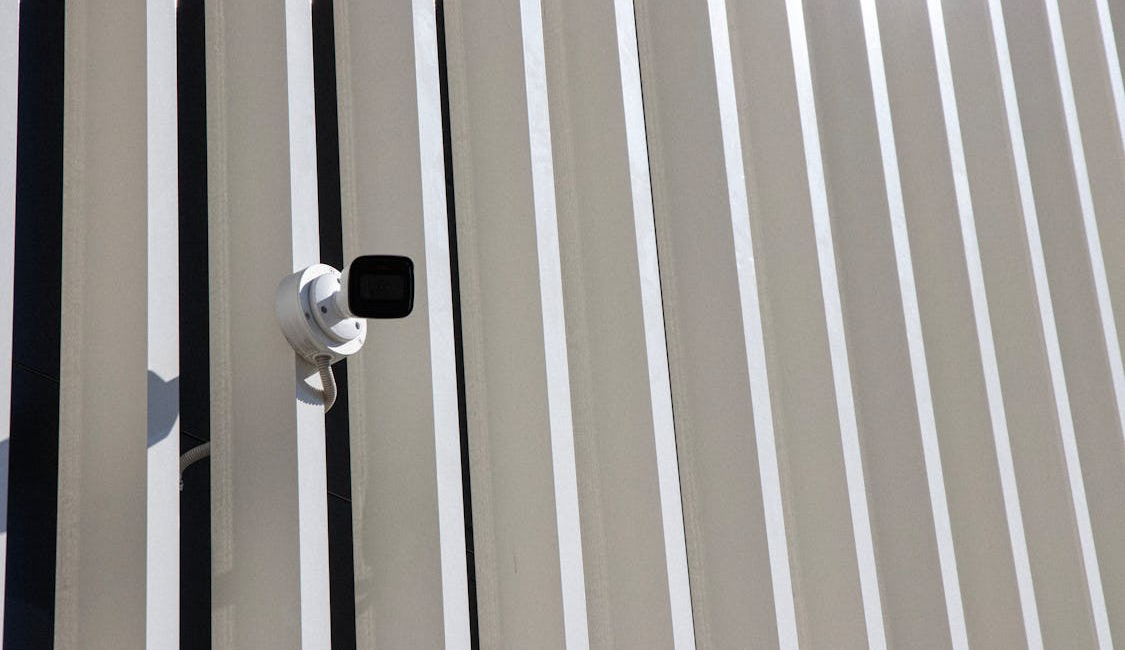
Physical security. It’s often the most neglected component of any business.
Owners can become hyper-focused on digital attacks and new customers while their building’s front entrances remain woefully unprotected. However…
Statistics show that can’t continue.
55% of businesses are more worried about crime than they were last year. A full 25% experienced an increase in physical security incidents in 2023.
Point being, skipping physical security because you’re “too busy” isn’t just naïve, it’s a serious oversight.
The good news? Physical security doesn’t have to be complicated. Below is a simplified checklist that covers every major topic to review starting with the most common area of vulnerability…
What’s Inside:
- Bullet Resistant Glass — The Hidden Weakness
- Access Control: Who Goes In
- Surveillance: More Than Just Cameras
- Perimeter Security: Outside The Building
- Emergency Response Planning
- Staff Training
Bullet Resistant Glass — The Hidden Weakness
The thing most business owners never think about…
A building’s windows and glass doors are its most vulnerable point of entry. Regular glass provides virtually no stopping power from a forced entry or ballistic incident. Yet those same vulnerable entry points are everywhere. Especially in target-rich industries like banking, retail, law, and pharmacies.
Bullet resistant glass, also known as ballistic glass, is designed from the ground up to stop projectiles from penetrating through. That’s the easy way to say it. The real benefit of bullet resistant glass is learned once employees are facing a life-threatening situation that it just so happens the business has prepared for.
Partnering with a reputable bullet proof windows specialist is the single most important step any business owner should take when looking to assess physical security. Only a trained professional can adequately evaluate the building’s risk and recommend the proper UL-rated protection rating a business needs.
There are four main types of bullet resistant glass:
- Laminated Polycarbonate
- Glass-Clad Polycarbonate
- Acrylic-Based Systems
- Tempered Glass Composites
Location, industry, and level of risk will determine which bullet resistant glass is right for a specific business. But that doesn’t have to be figured out alone. Partnering with a professional will always lead to better decisions than going it alone.
Access Control: Who Goes In
If there’s no clear picture of who’s coming in and out of the business every day, there’s a problem.
Access control should be layered. There’s nothing wrong with a basic lock on the front door. But too many businesses rely solely on this entry-point control. Here are some additional layers to consider:
- Key card or swipe access for employees
- Biometric scanning for high-value or restricted areas
- Video intercoms that allow visual approval of who enters
- Visitor management systems that log any entrance to the building
The goal here is simple. Authorised employees should be able to enter and move about with ease. Everyone else should be met with resistance. Too often access control gets passed off as an IT problem. It’s not. Access control is physical security.
Surveillance: More Than Just Cameras
Having security cameras isn’t the same thing as having a surveillance plan.
It’s easy to take the installation of a few cameras as “good enough” and call it a day. But without proper camera placement, coverage, and monitoring, a surveillance plan isn’t doing much good. Here are some things to consider:
- HD cameras capable of capturing entry and exit points
- Indoor surveillance of areas where money, products, or sensitive information is handled
- Night vision and motion detection for outside cameras
- Remote access for reviewing footage in real-time or recorded
- At least 30 days of stored footage to allow for investigation of incidents
The Occupational Safety and Health Administration estimates over 2 million Americans are affected by workplace violence each year. And only half of employees feel their company has an identifiable workplace violence prevention program. Surveillance is one of the quickest ways to bridge that gap.
Perimeter Security: Outside The Building
Most business owners think about what’s happening inside their buildings.
Physical security starts with the perimeter. Layering defenses outside creates a buffer, buys time for response, and slows any potential threat down. Here are a few things to evaluate:
- Exterior fencing or physical barriers around high-risk areas of the building
- Bollards in front of entrances to prevent vehicle rammings
- Outside lighting that leaves nowhere for an attacker to hide at night
- Security signage that is clearly visible from the road
- Landscaping that doesn’t create places for people to hide near entrances or windows
Take a walk around the outside of the business. There will be more gaps than expected.
Emergency Response Planning
All of the technology and physical barriers in the world can’t help if staff doesn’t know what to do when something goes wrong.
458 workplace murders in 2023 were recorded in the United States. That’s right around nine workplace killings every week.
Businesses of all types, in every city large and small, experienced incidents that led to these outcomes. Does the business have an emergency response plan that covers:
- Written response procedures that are easy to find
- Defined roles for staff if an active incident occurs
- Drills that are practiced — not just a document that collects dust
- Posted evacuation routes
- Updated emergency contact information reviewed at least twice a year
Nothing is going to stop violence 100% of the time. But businesses with an established response plan tend to have better results than those who do nothing.
Staff Training
This is where physical security plans meet common sense.
Buildings can be designed to stand up to serious threats. But if staff isn’t trained on protocols, can’t identify threats until it’s too late, or doesn’t know how to respond during an active event, the purpose of having a plan is defeated.
Just like fire drills, run tabletops on how to recognise threats, access control, and the response plan on a regular basis.
Conclusion
Neglecting physical security because the business is “too busy” thinking about digital threats and new customers is a reliable way to leave employees at risk.
Physical security should be an ongoing process, just like anything else in a business. Industry trends, buildings, and employees change all the time. A good physical security plan is flexible and evolves as the business does.
Start with what’s most vulnerable and work outward. The biggest businesses who “have it all figured out” when it comes to physical security aren’t always the ones who are most successful. They’re the ones who take it seriously before something happens to make them pay attention.