
The guide explains how to start a business shop naclo and run it safely. It gives clear steps on market demand, licensing, suppliers, and safety rules. The guide helps new owners plan costs, set prices, and train staff. It focuses on practical actions and legal requirements. The reader will get usable steps to open a compliant sodium hypochlorite retail outlet.
Key Takeaways
- Starting a business shop naclo requires understanding local market demand, regulatory compliance, and maintaining proper licensing and permits.
- Ensure safe storage and handling by keeping sodium hypochlorite in cool, ventilated areas away from incompatible substances and using secondary containment to prevent spills.
- Select reliable suppliers who provide quality certifications and batch traceability to maintain consistent product quality for customers.
- Price products to cover all costs including licensing, insurance, and disposal fees, while using tiered pricing and tracking margins for profitability.
- Train staff thoroughly on product specifications, safety handling, and customer guidance to build trust and encourage repeat business.
- Implement detailed record-keeping and a point-of-sale system that captures buyer information and supports compliance and demand forecasting.
Market Opportunity, Uses, And Regulatory Overview For NaClO Retailers
Sodium hypochlorite sells to cleaning companies, pools, sanitation services, and small manufacturers. A business shop naclo can target those buyers with bulk and retail packs. Demand rises when local facilities require disinfection or when seasonal cleaning occurs. The owner should map local users and list their annual needs. The owner should estimate monthly volume and set reorder points.
Regulations control storage limits, labeling, and sales to the public. The owner must check national chemical rules and local health codes. They must register the site if local law requires hazardous materials reporting. The shop should plan for inspection and keep permits visible.
A retail shop must follow chemical labeling standards. The owner should attach clear hazard statements, first aid steps, and dilution instructions to each pack. They should publish safety data sheets and keep copies at the counter. The shop must restrict sales to minors where law requires and should verify business buyers if bulk quantities leave the store.
The business shop naclo owner should price to cover regulatory costs. Licensing fees, insurance, and waste disposal raise operating cost. The owner should factor these costs into markup. They should test pricing with local competitors and adjust by service level, such as delivery or neutralization for returns.
The owner should keep records of purchases and sales to meet audits. Records support compliance and traceability. The business shop naclo operator will use these records to forecast demand and to spot unusual buying patterns that suggest misuse or theft.
Setting Up Operations: Suppliers, Packaging, Pricing, And Point-Of-Sale
The owner should choose a reliable sodium hypochlorite supplier with quality certificates. The shop should prefer suppliers that deliver certificates of analysis and batch traceability. The owner should compare lead times and freight costs. A steady supplier reduces stockouts and keeps quality consistent for customers who follow dilution instructions.
Packaging must protect the chemical and inform the user. The shop should stock dark plastic drums, sealed jerrycans, and child-resistant retail bottles. The owner should add clear dilution labels and a QR code linking to the safety data sheet. The shop should avoid reusing unmarked containers.
The owner should set prices to cover cost, compliance, and profit. The shop can use tiered pricing: retail per liter, small commercial packs, and volume discounts. The owner should track gross margin per SKU and set discount thresholds that keep profit when offering delivery or custom filling.
The point-of-sale must capture customer data for compliance and reorders. The shop should configure the POS to log buyer name, quantity, and intended use for bulk sales. The owner should print SDS with each bulk invoice. The shop can offer account billing to repeat buyers to speed sales and to record frequent buyers for inventory planning.
The owner should train staff on product specs, safe handling, and how to answer common customer questions. Staff should demonstrate proper dilution steps and advise on surface compatibility. The business shop naclo will gain repeat customers when staff give clear, accurate use advice and when the shop maintains steady stock levels.
Safety, Storage, Transportation, And Customer Education Requirements
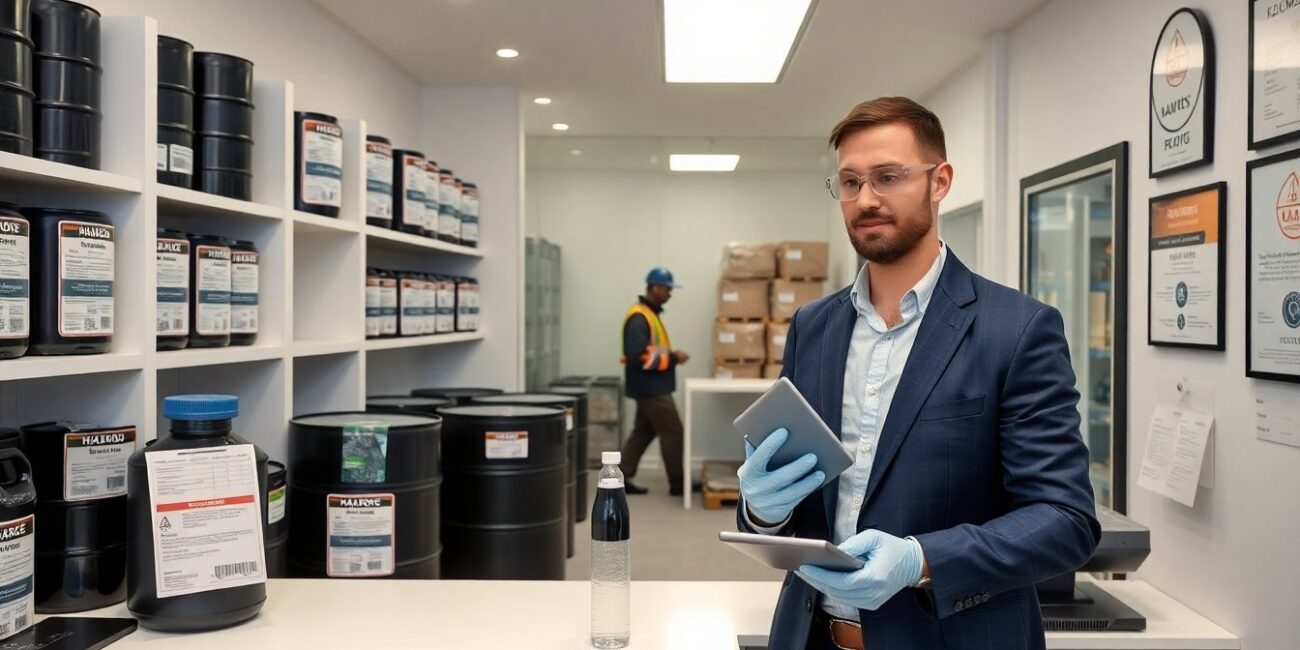
The shop must store sodium hypochlorite in cool, ventilated areas away from acids and organics. The owner should keep containers off direct sunlight. The shop must use secondary containment to capture spills. The staff must inspect containers daily for leaks and label damaged packs for removal.
Transport rules restrict mixing with incompatible cargo. The owner should train drivers to carry only compatible goods and to use sealed pallets. The shop should use transport labels and placards when quantity triggers rules. The owner should have spill kits and emergency contacts available for drivers.
The shop must plan for neutralization and disposal of waste bleach and expired stock. The owner should contract with a licensed chemical waste handler or follow local disposal steps. The shop should never pour large volumes down drains without approval.
The shop should provide straightforward customer education materials. The owner should give printed dilution charts for common tasks, such as surface disinfection and pool maintenance. The shop should teach customers to test treated surfaces and to ventilate spaces after use. The business shop naclo should offer short demonstrations for commercial buyers and show how to use PPE correctly.
The shop should maintain an emergency response plan and post clear instructions. The owner should post emergency numbers and first aid steps near the counter. For online sales and store terms, the owner can mirror standard retail legal language such as the site’s store terms and conditions. The owner may reference a major store legal terms page like the NBA store terms to confirm standard retail practices with a reliable source on legal language for online sales, for example store legal terms.
The owner should review insurance coverage for chemical retail and update it as sales grow. The owner should run tabletop drills yearly and record results. The business shop naclo will reduce risk through clear storage rules, trained staff, and repeat communication with customers about safe use.